Experienced vs Beginner: What Changes When You Hire a Desentupidora in Mogi das Cruzes
You have a backed-up drain, a toilet that will not flush, or a wet patch spreading across the service area floor. You already know you need help fast, and you are probably searching for a desentupidora Mogi das Cruzes. The real question is not whether to call a professional, but how the job changes when the person handling it has done this hundreds of times versus when it is their first serious blockage. That difference shows up in diagnosis speed, equipment choice, cleanup, and how likely the problem is to come back next month.
This is written for the reader who has already dealt with one or two clogs and wants to understand what a trained crew actually does differently. A beginner tends to react to the symptom. An experienced technician works backward from the cause, and that shift changes almost every step of the visit.
Scenario Walkthrough: The Same Blocked Drain, Two Different Visits
Picture a kitchen drain in a ground-floor house in Mogi das Cruzes that drains slowly for a week and then stops completely. The homeowner has already poured a bottle of chemical cleaner down the pipe. Nothing improved, and now there is a faint smell near the sink cabinet. This is where the two paths split.
What the beginner does first
A beginner usually reaches for the plunger, then a hand auger, then another round of chemicals. Each attempt treats the blockage as a single obstacle to push through. If the drain opens for a day and closes again, the beginner assumes the product worked and the problem is solved. In reality, the pipe was never inspected, so the grease-and-soap mass further down is still there, and the chemical may have damaged a joint seal without anyone noticing.
The cost of that approach is not just the wasted product. Repeated chemical use on older PVC or cast-iron lines can weaken connections, and a partial opening hides a growing obstruction. The most expensive blockage is the one that was never properly diagnosed.
What the experienced technician does first
An experienced technician asks questions before touching a tool: when it started, what was poured down the drain, whether other fixtures in the house are slow, and whether the property has a septic tank or connects to the municipal network. Those answers decide the method. A slow sink plus a gurgling floor drain often points to a vent or main-line issue rather than a local clog.
From there, the work follows a sequence: locate the access point, confirm the blockage type, choose between mechanical augering and high-pressure water jetting, clear the line, then test flow at multiple fixtures. Cleanup and a short explanation of what caused the clog close the visit. That structure is what separates a fix from a temporary opening.
Where Experience Changes the Outcome Most
The gap between a beginner and a trained crew is not about strength or effort. It is about decisions made in the first fifteen minutes. Below are the points where that gap matters most for anyone hiring a desentupidora Mogi das Cruzes SP.
Diagnosis before equipment
A beginner picks a tool and hopes it fits. An experienced technician identifies whether the obstruction is grease, scale, roots, or a foreign object, because each one responds to a different method. Roots in a lateral line will laugh at a plunger and come back within weeks if not cut and jetted properly.
Choosing between augering and hydrojetting
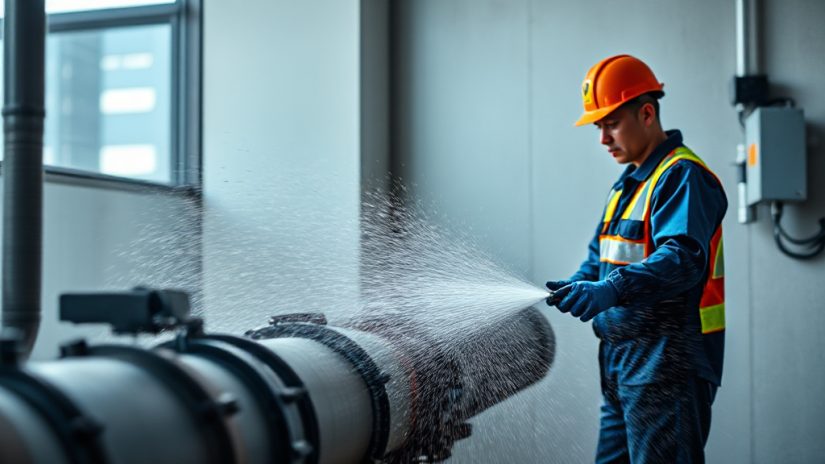
Mechanical augers are right for local clogs and tight spaces. High-pressure hydrojetting is right for grease buildup, scale, and lines that need the pipe wall cleaned, not just punctured. Knowing which to use, and at what pressure, prevents cracked pipes and repeat visits.
Recognizing when the problem is bigger than the drain
Multiple slow fixtures, sewage backing up into a shower tray, or odors in several rooms usually mean the issue sits in the main line, the vent stack, or the septic system. A beginner keeps working on the visible fixture. An experienced crew escalates to the correct access point and may recommend camera inspection before more work is done.
Safety and property protection
Chemical residue, contaminated water, and confined access points are real hazards. Trained teams use gloves, eye protection, and containment measures, and they protect flooring and cabinetry before starting. That preparation is rarely visible in the final bill, but it is the reason a messy job does not become a renovation.
Prevention advice you can actually use
After clearing the line, an experienced technician can tell you why it clogged. Often it is a combination of cooking grease, wipes labeled flushable, and tree roots near a joint. That explanation is worth more than the unclogging itself, because it prevents the next call.
Variations for Other Situations
Not every job looks like a kitchen sink. The same beginner-versus-experienced gap appears in different forms depending on the property and the fixture involved.
- Apartment buildings and condominiums: a single unit’s backup may be a shared riser problem. An experienced crew coordinates with the building manager, checks the correct stack, and avoids clearing one unit while pushing debris into a neighbor’s line.
- Commercial kitchens and restaurants: grease traps and long horizontal runs need scheduled jetting, not emergency plunging. Experienced teams plan maintenance around operating hours to avoid shutting down service.
- Homes on septic systems: a slow drain may be a full tank or a saturated drain field, not a pipe clog. Pumping the line without addressing the tank wastes money and can damage the system.
- Older properties with cast-iron or clay lines: pressure and tool choice must match pipe condition. Aggressive clearing on fragile lines causes cracks that cost far more than the original blockage.
- Night and weekend emergencies: response time and access to the right equipment matter more than a low quote. A crew that arrives without a jetting unit at 2 a.m. often has to return the next day.
In each case, the pattern holds: the experienced approach starts with understanding the system, then selects the tool. The beginner approach starts with the tool and adapts only after it fails. If you are comparing providers, ask what equipment they carry and how they confirm the line is actually clear. A serious provider will answer without hesitation, and you can see the scope of services offered by a desentupidora em Mogi das Cruzes SP before booking.
What to Ask and What to Expect on Price
Pricing for drain and sewer work in Mogi das Cruzes varies with access, depth, pipe condition, and time of day. A simple accessible clog costs far less than a main-line obstruction requiring jetting and camera inspection. Rather than chasing the lowest quote, compare what is included.
| Question | Why it matters |
|---|---|
| Do you inspect before quoting? | Prevents paying for the wrong method |
| Is hydrojetting available on-site? | Avoids a second visit and repeat fees |
| Do you test all fixtures after clearing? | Confirms the whole line is open |
| Is cleanup included? | Prevents surprise charges later |
| Do you offer prevention guidance? | Reduces the chance of a repeat call |
Expect a clear explanation of the cause and a written scope before work begins. If a provider cannot describe the method in plain language, that is a signal to keep looking.
Frequently Asked Questions
How quickly can a desentupidora arrive in Mogi das Cruzes?
Response time depends on the neighborhood, traffic, and time of day, but emergency services are set up to attend urgent backups quickly. When you call, give the address, the fixture affected, and whether sewage is backing up, so the right equipment is dispatched.
Is chemical drain cleaner a bad idea?
It is best avoided for serious or repeated clogs. Chemicals can damage older pipes and rarely clear grease or root intrusions. Mechanical or jetting methods address the actual cause.
How do I know if the problem is my pipe or the main sewer line?
If several fixtures are slow at once, or sewage appears in low drains, the issue is likely in the main line or vent. A single slow fixture usually points to a local clog. A technician can confirm with a quick inspection.
Can the same blockage come back after clearing?
Yes, if only the symptom was treated. Grease, scale, and roots return unless the pipe wall is cleaned or the intrusion is removed. Ask whether jetting or camera inspection was used, and follow the prevention advice you receive.